The operational problem
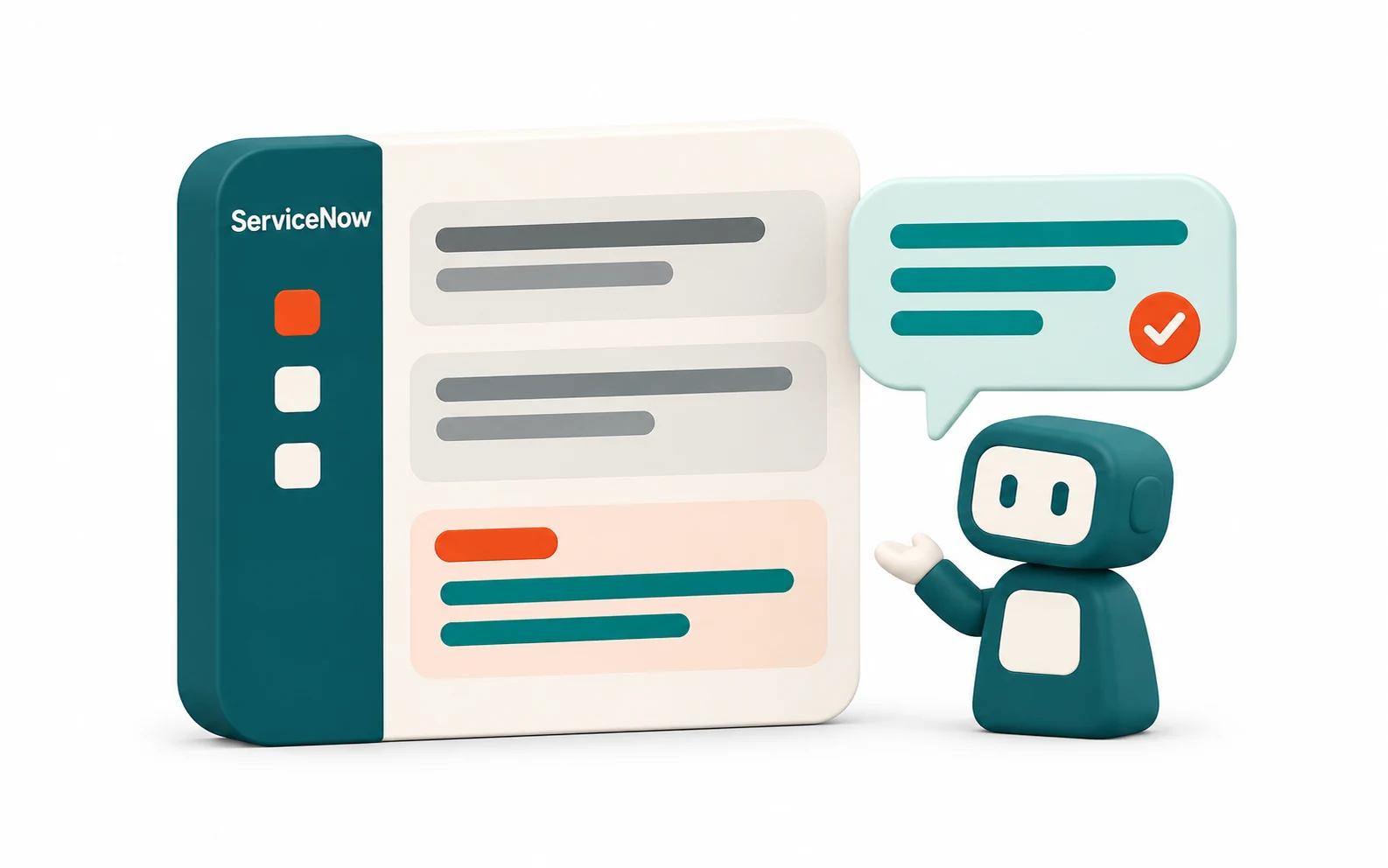
During a major incident, the team must restore service while keeping stakeholders informed. Turning changing ticket details into clear updates, copying them between channels, and preparing the closure report takes attention away from coordination.
What changes for the service
The MIM Agent prepares structured communications from incident data for the Major Incident Manager to review and edit. Once approved, the workflow sends the update, creates or updates the Jira record, and generates a Word report at closure, reducing repeated writing and copying.
How it works in the service
From incident details to a reviewed update
The Major Incident Manager selects an incident and starts the AI preparation when needed. The agent turns the available ticket information into a structured draft: what happened, which services are affected, what has been done, and what comes next. Individual fields can be edited directly or reformulated with AI assistance.
One approval coordinates the communication
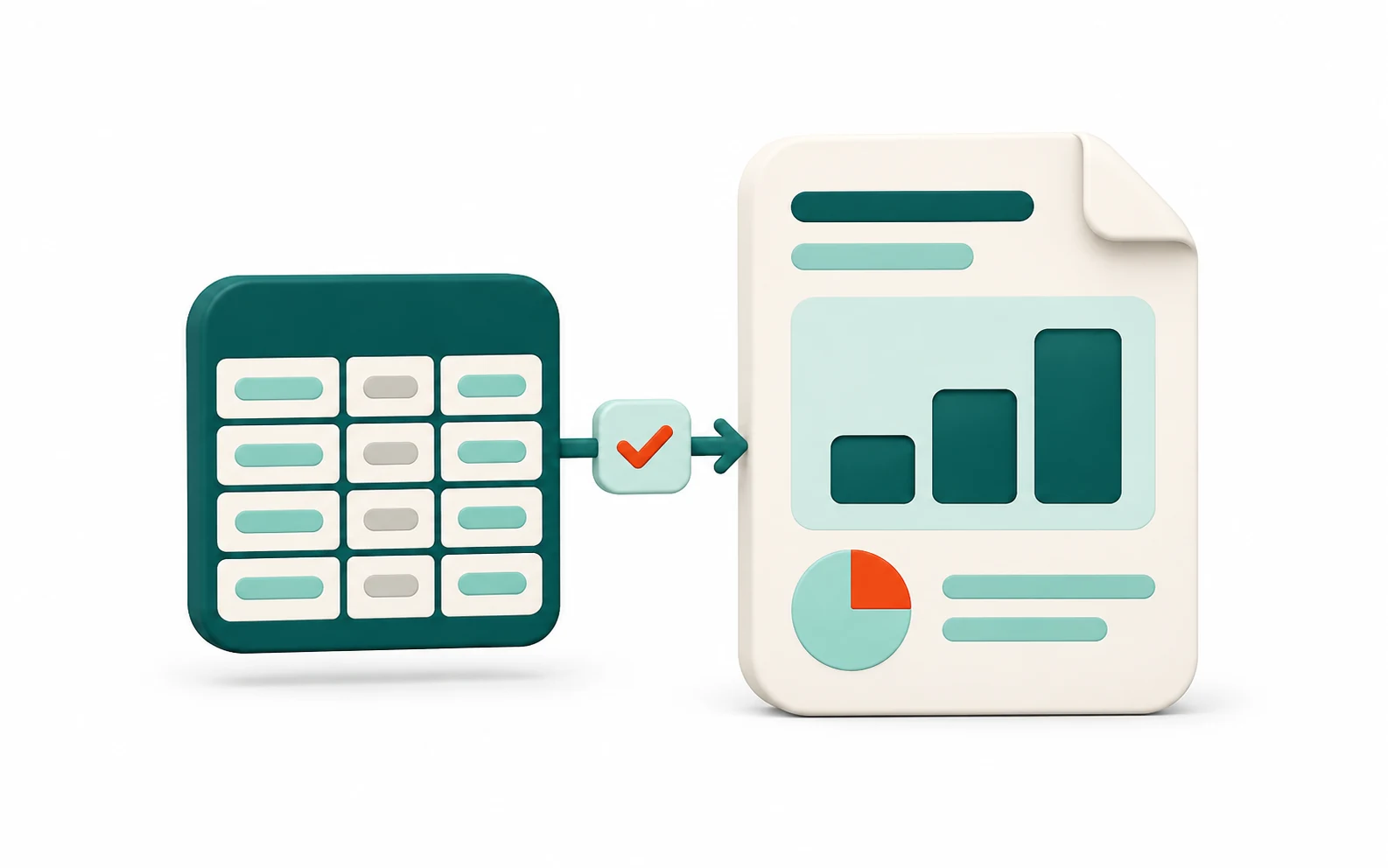
The manager checks the facts, impact, status, and recipients before sending. The approved update is then delivered by email and recorded in Jira. Subsequent updates continue the same incident record; Teams can receive notifications through Jira automation. Closing the MIM generates a Word report for review and follow-up.
Clear responsibility throughout the incident
Major Incident Managers, service managers, and operations teams spend less effort reassembling the same information across channels. The responsible human decides when to communicate and validates the content. Incident classification, escalation, and technical recovery remain with the accountable service roles.
Accountable delivery
This capability is not sold as a product. RED Reply operates it as part of a managed service, with named service roles responsible for quality, escalation, and outcomes. Automated steps are scoped, logged, and reversible, and the actions that change a system or reach a customer stay under human control.
What it uses and produces
Inputs
- Incident descriptions and updates
- Affected services and business impact
- Recorded actions and next steps
- MIM status
- Configured managers and recipients
Outputs
- Editable stakeholder updates
- Approved MIM and internal emails
- Jira incident records and status updates
- Word closure reports
Integrations
- Service management platforms
- Jira
- Microsoft Teams via Jira automation
How it is built
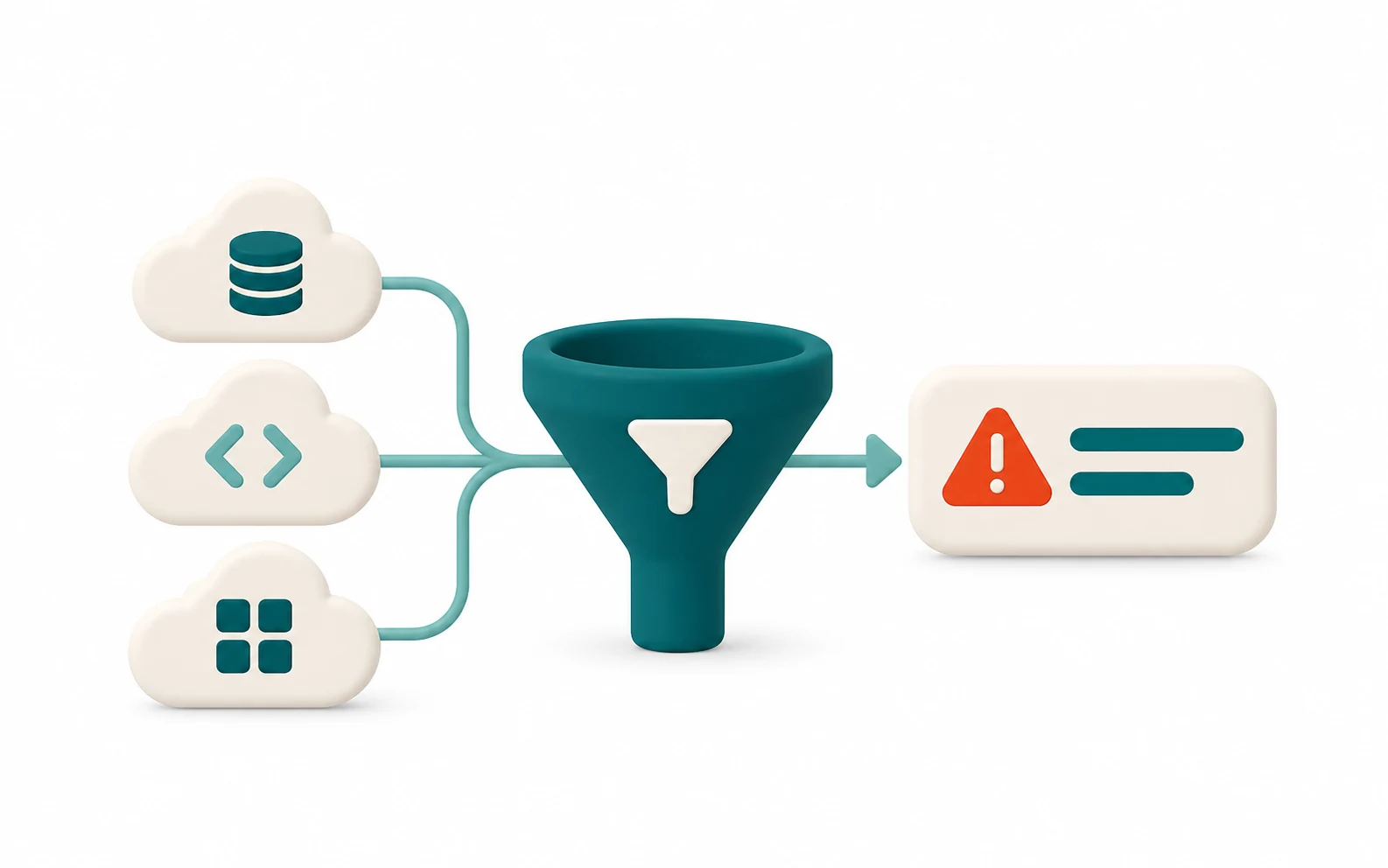
A Python web application reads incident data through ITSM APIs and uses structured LLM output to prepare the MIM form. Incident state is persisted between updates. Configured integrations handle Jira records, email delivery, and Word report generation; Teams notifications can follow through Jira automation. Source ITSM access stays read-only, and the Major Incident Manager controls approval and sending.